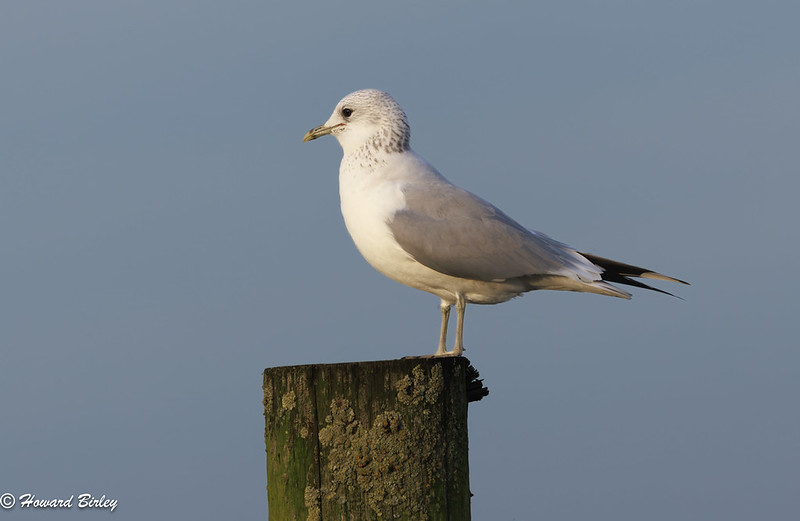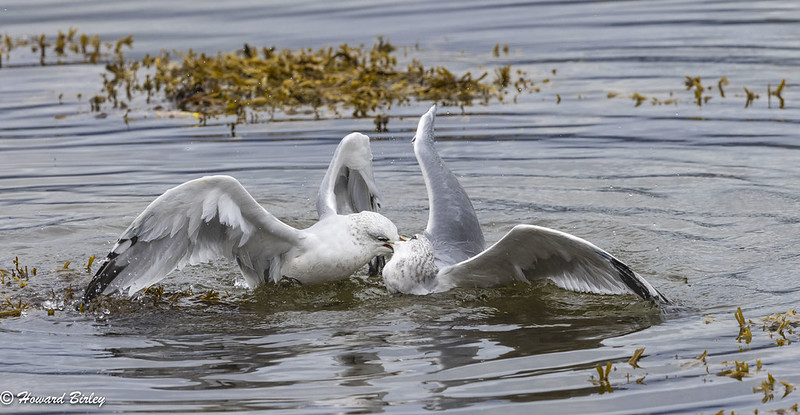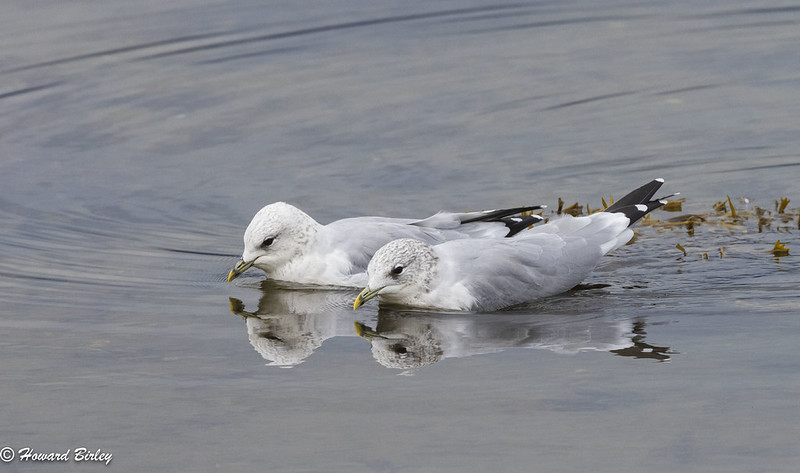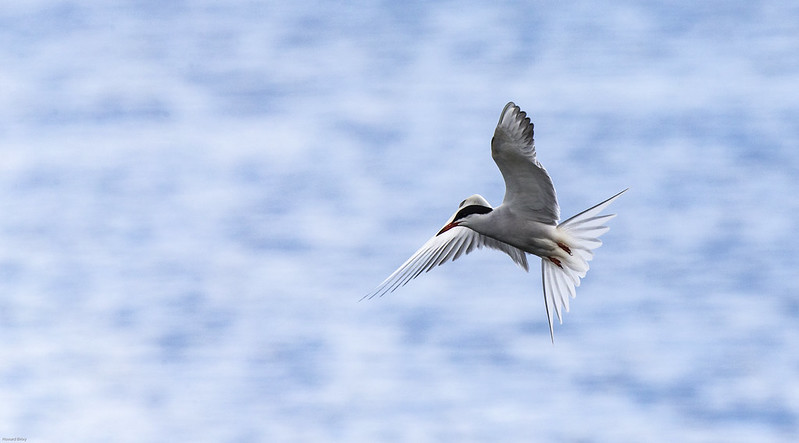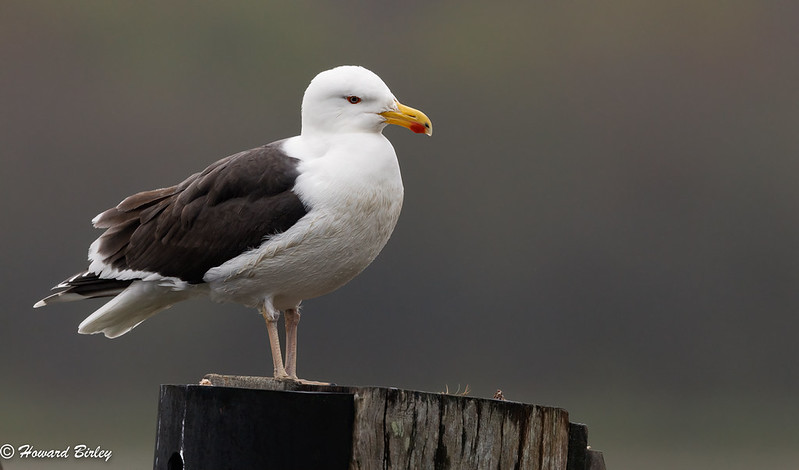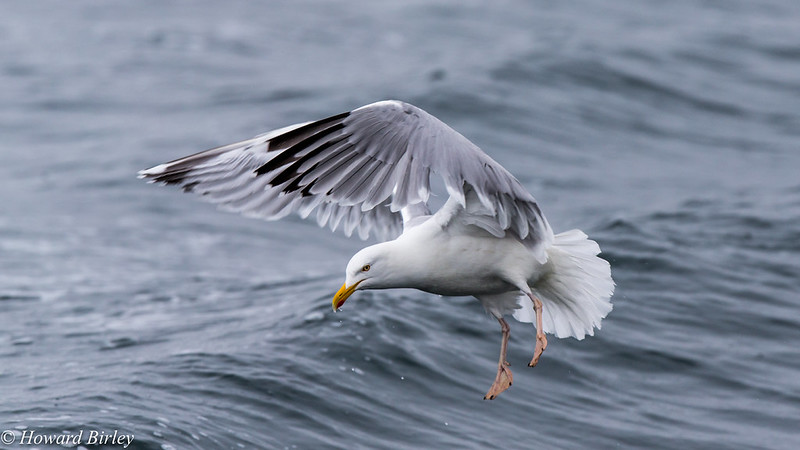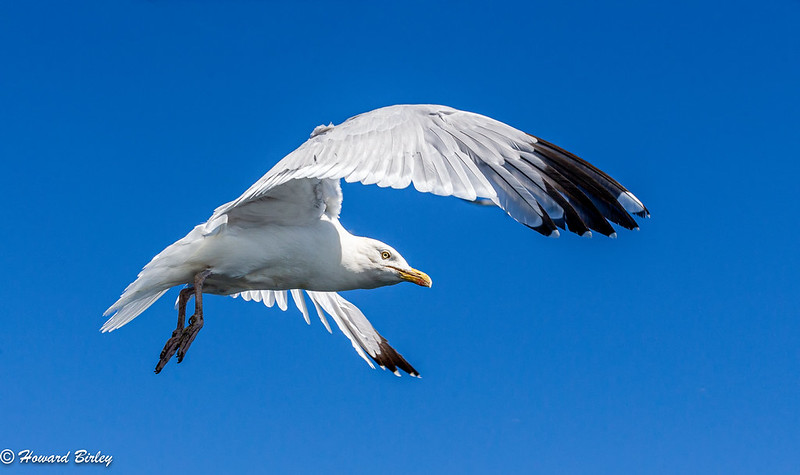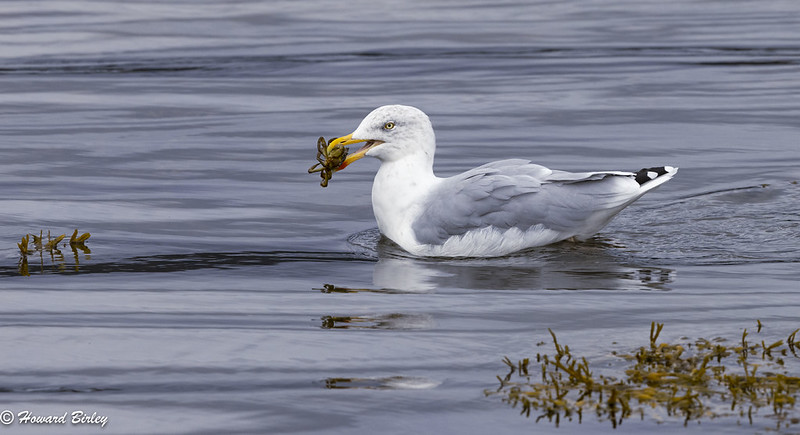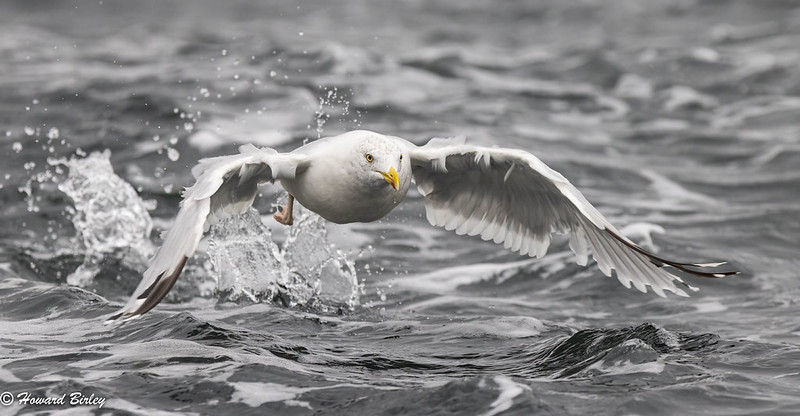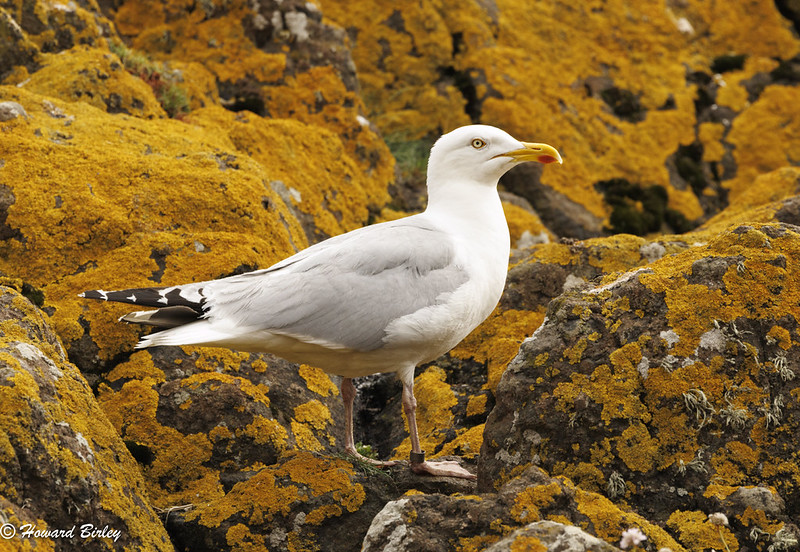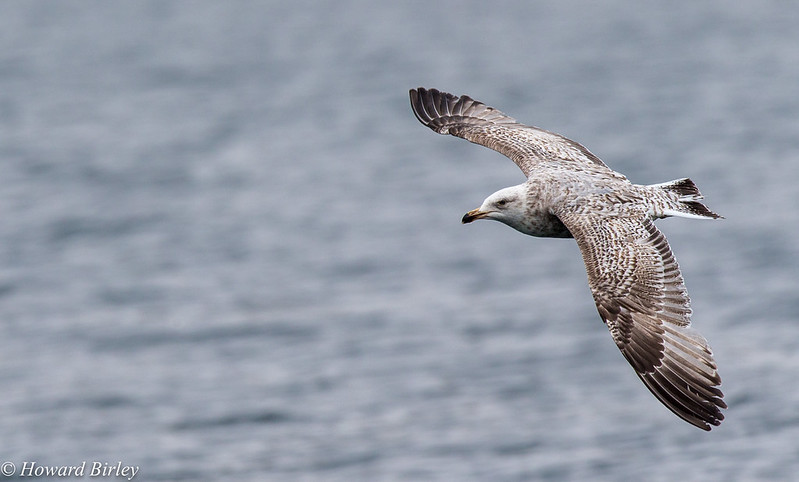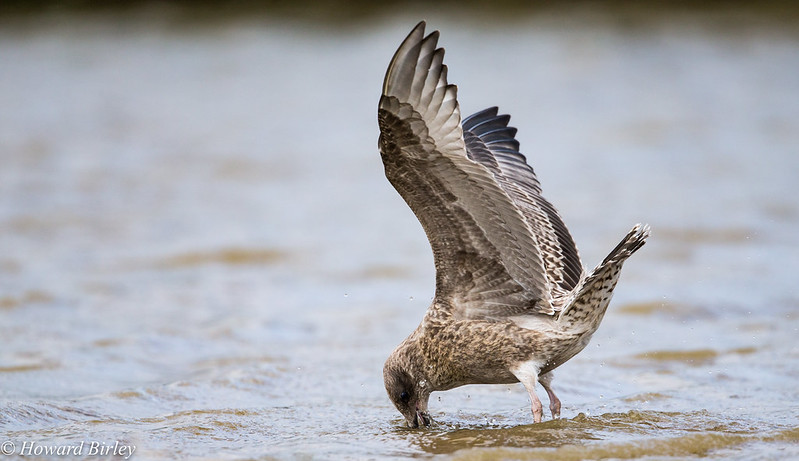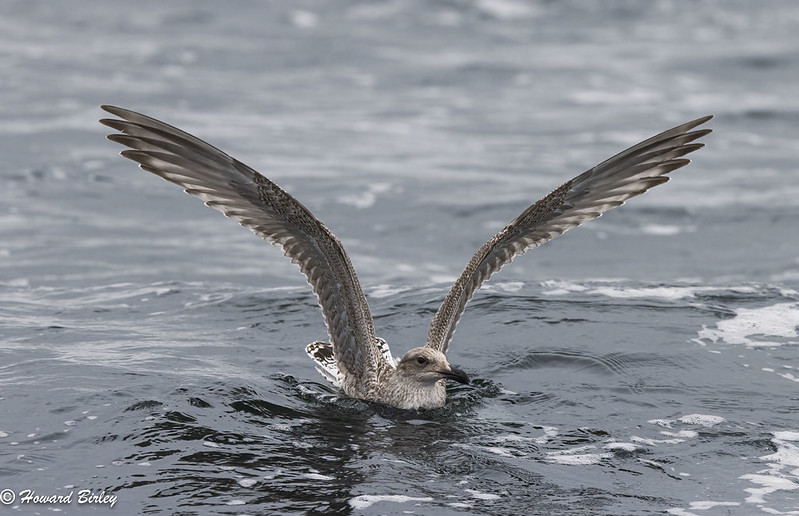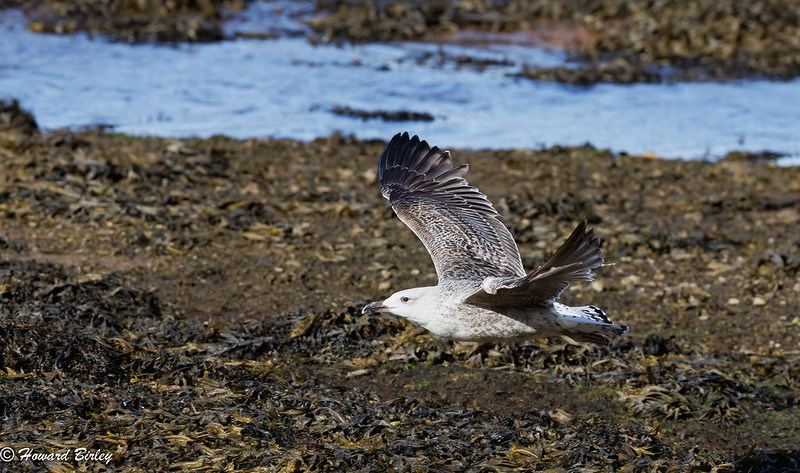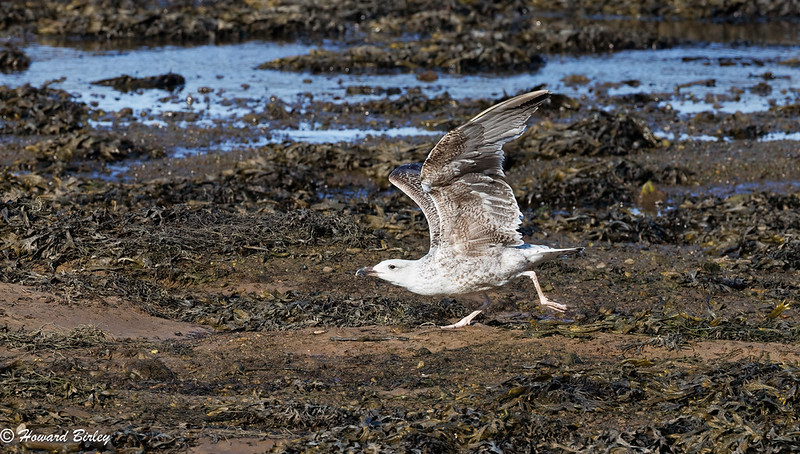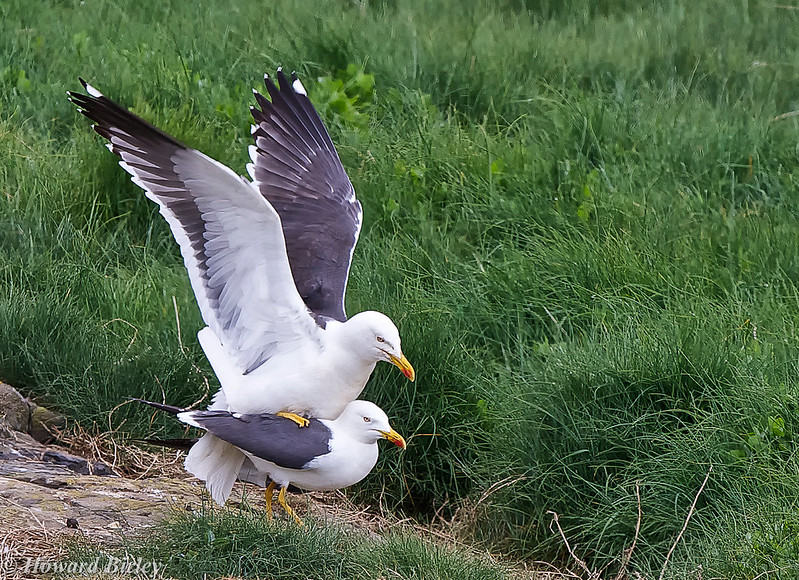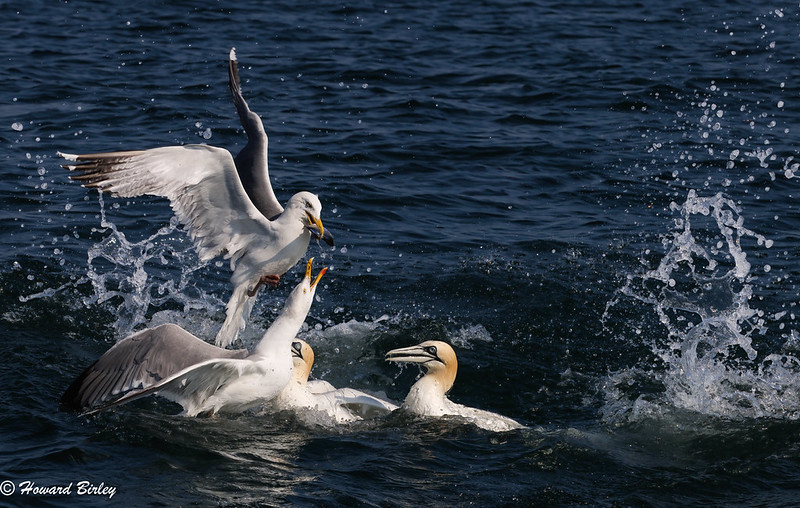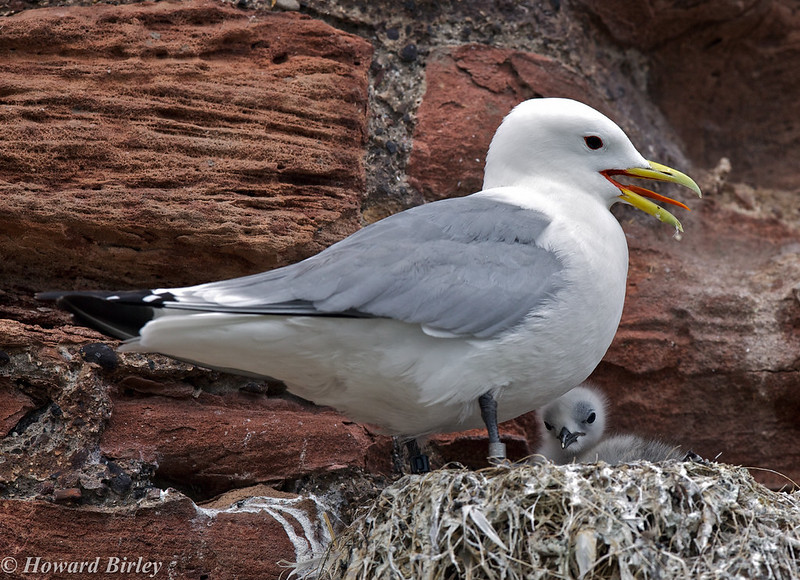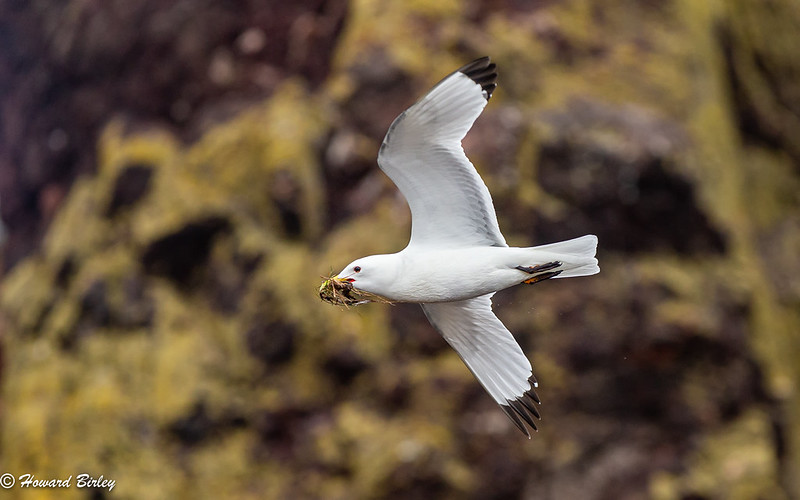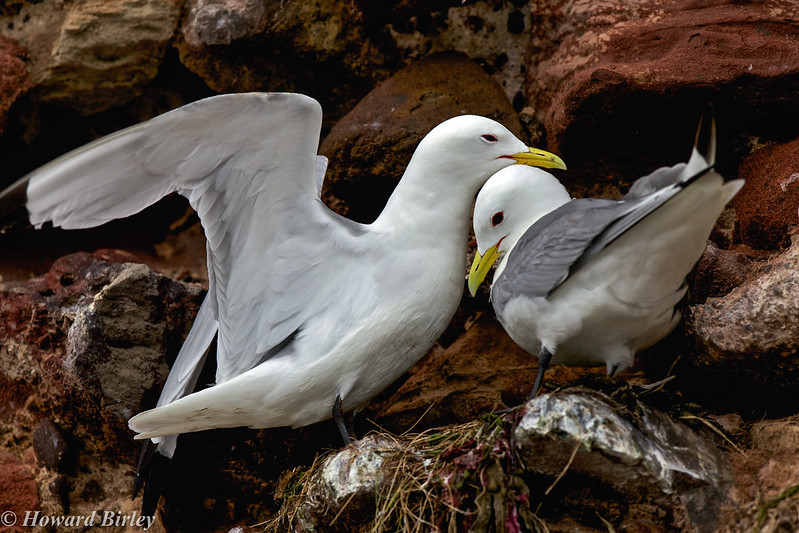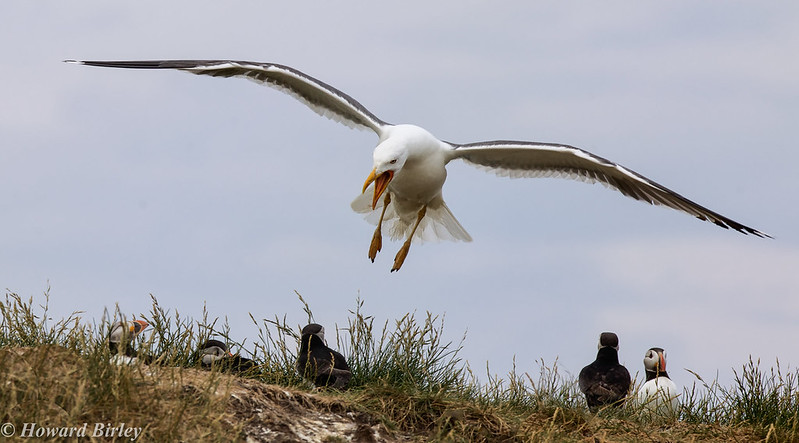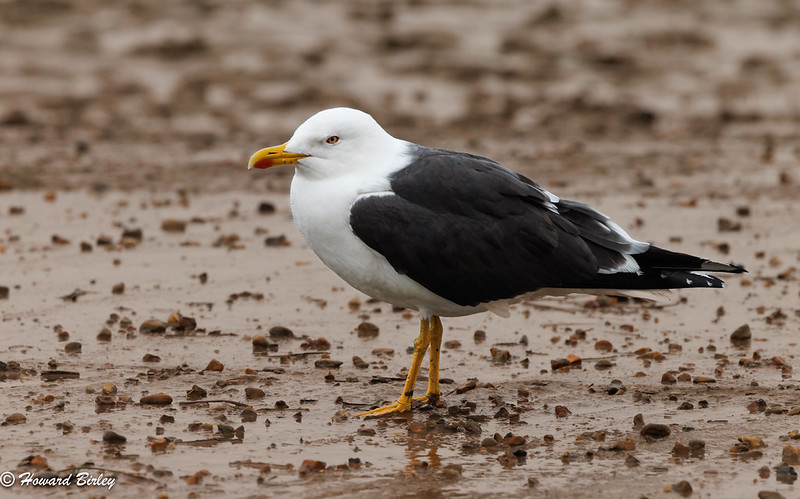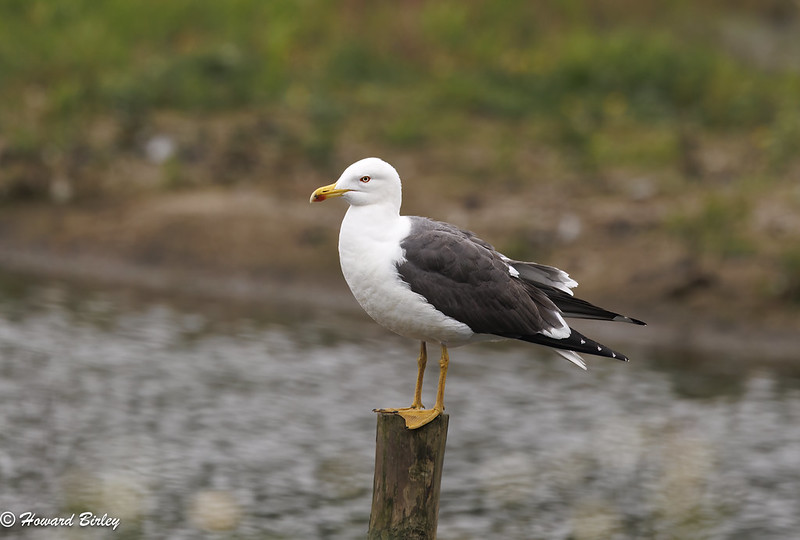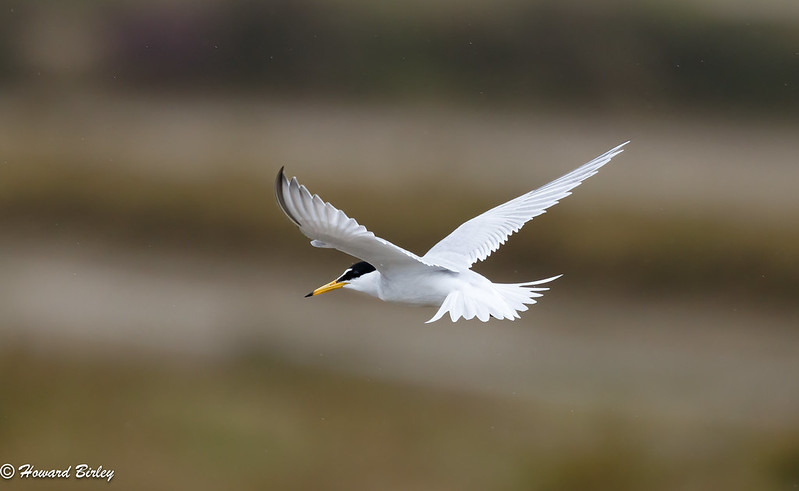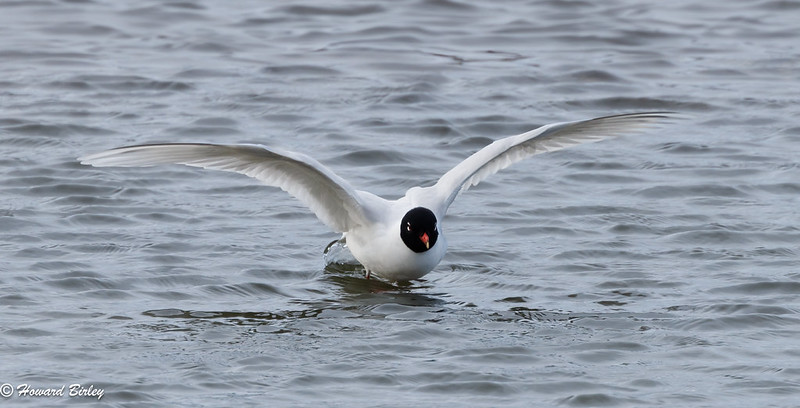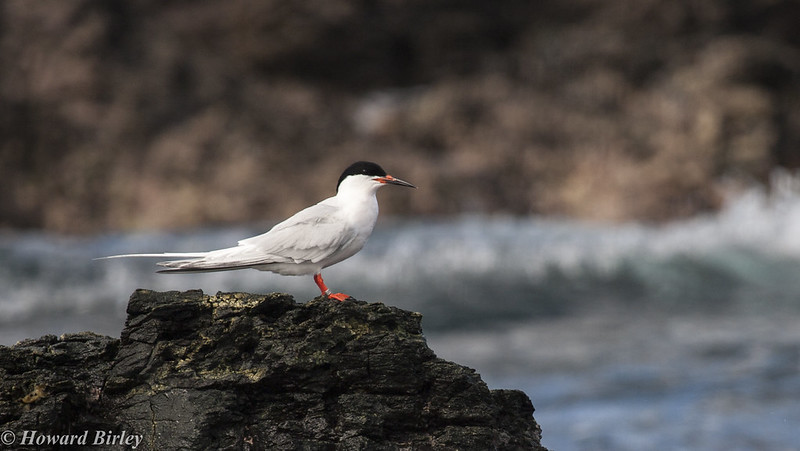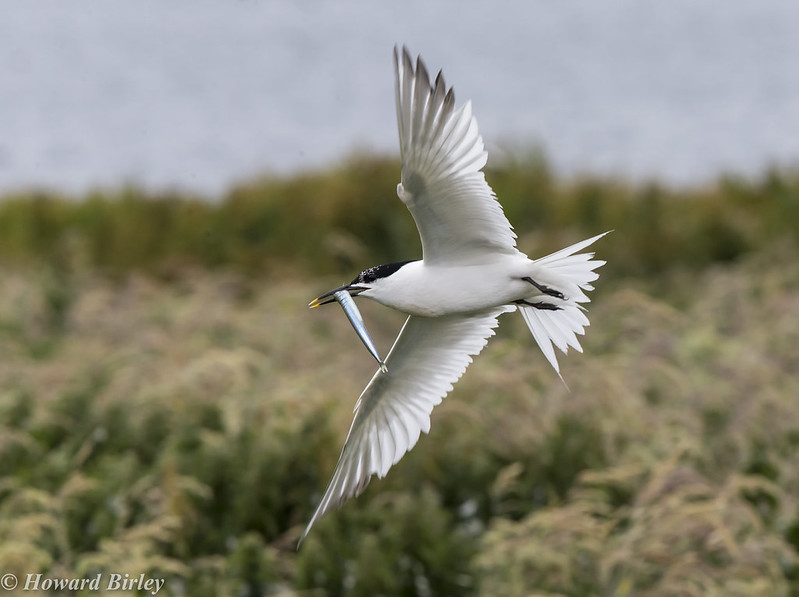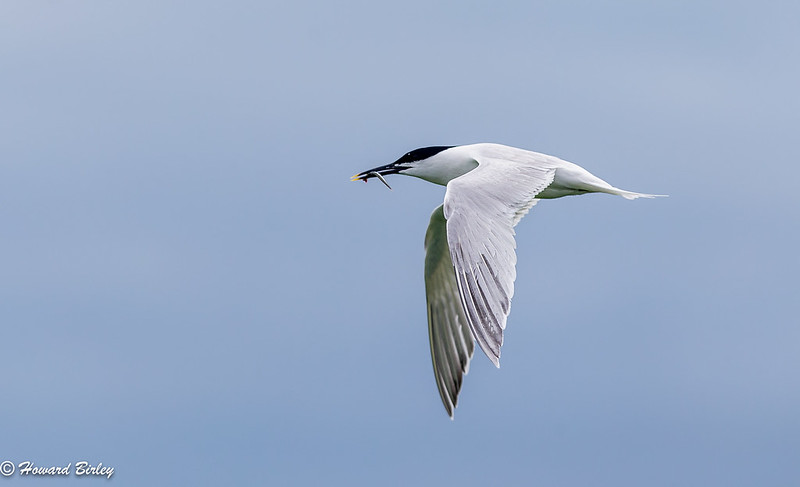
Gulls, informally called seagulls, are seabirds of the subfamily Larinae. Terns are seabirds in the subfamily Sterninae of the wider Gull and Tern family Laridae.
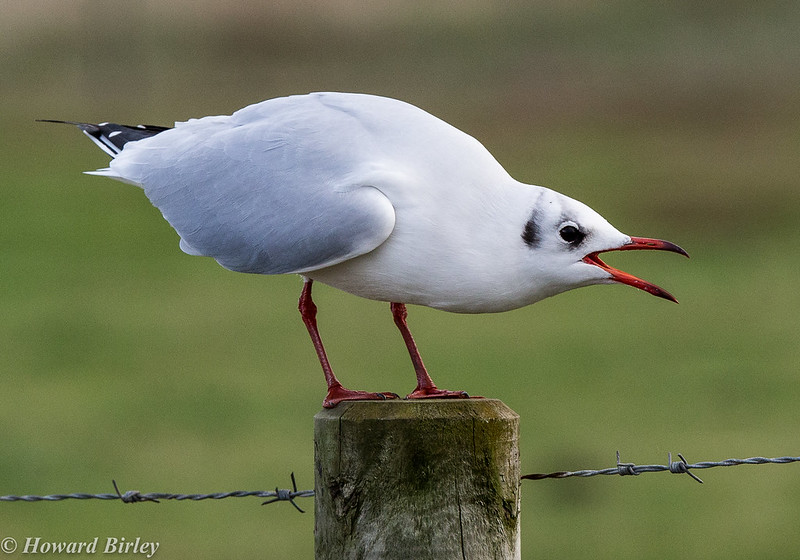
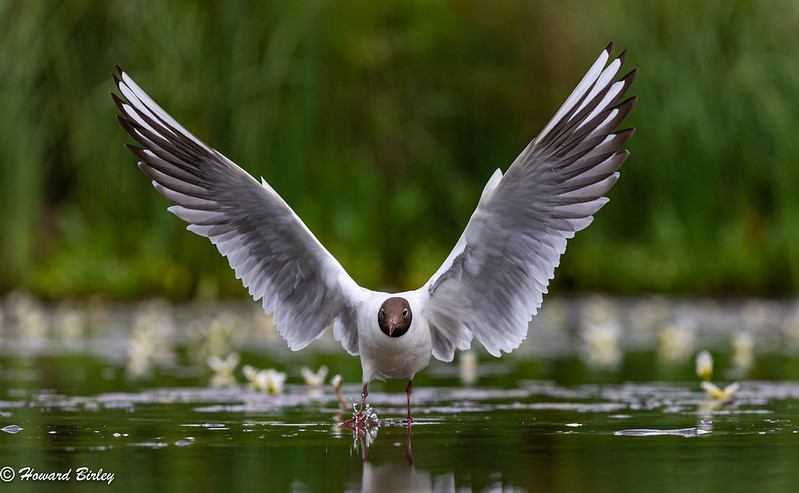
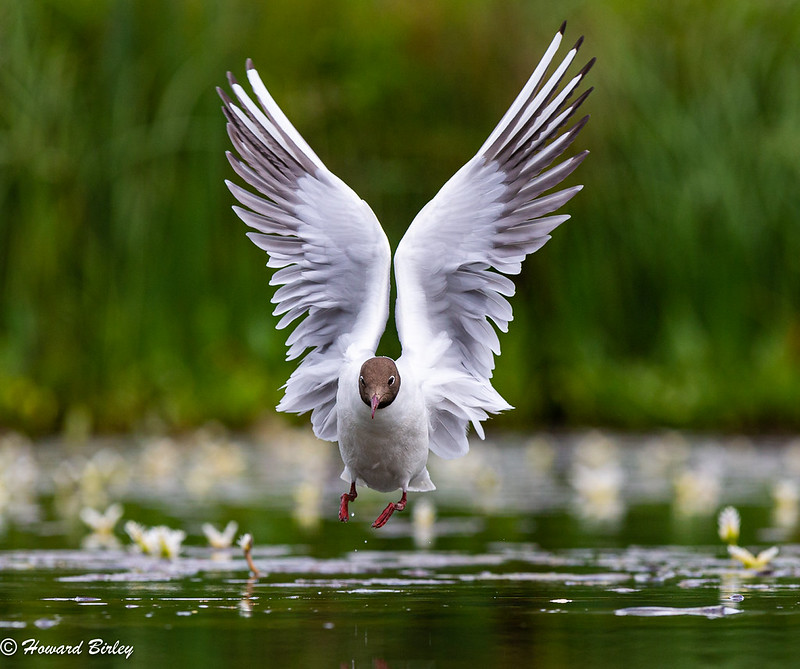
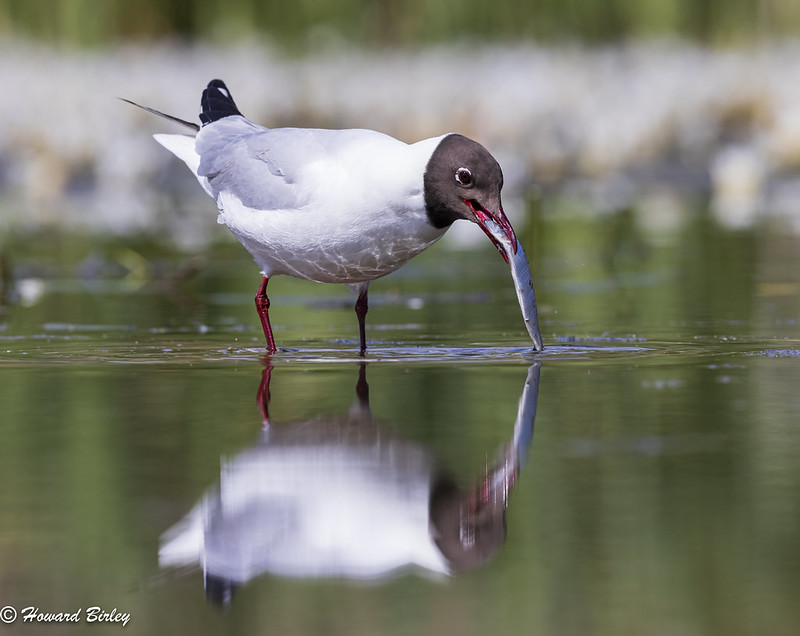
Gulls are most closely related to Terns and Skimmers, and are placed with them in the family Laridae. They are also related, more distantly, to Auks and Skuas, and more distantly still to waders. They are members of a large, widespread family of seabirds. Often known as seagulls (though no species is actually called a seagull, and many are found far from the sea), they sometimes get a bad reputation for stealing chips. But Gulls are intelligent, adaptable and often beautiful birds. However, they’re notoriously difficult to identify. Entire books have been dedicated to telling one Gull from another, but even these barely scratch the surface. Their plumage changes as they age and there’s a great deal of variation within species. Gulls are perhaps the most familiar of seabirds, though many species are not closely tied to the sea or the shore. As a group they are opportunists, able to exploit new food sources readily. This has led, in Britain, to rapidly expanding populations of urban Gulls, which are becoming an increasing problem. They vary in size from the diminutive Little Gull to the piratical Great Blackback, but in almost all species, the underparts are white and the upperparts grey or black (a few species are all white or all dark). The heads are either all white or with a dark mask or hood, which is only present in the summer months. Although found worldwide, they occur in greatest numbers in the Northern Hemisphere, and some species, such as the Ivory Gull even inhabit the polar pack-ice. Outside the breeding season, they become largely marine and the Kittiwake is truly pelagic, being found far from shore.
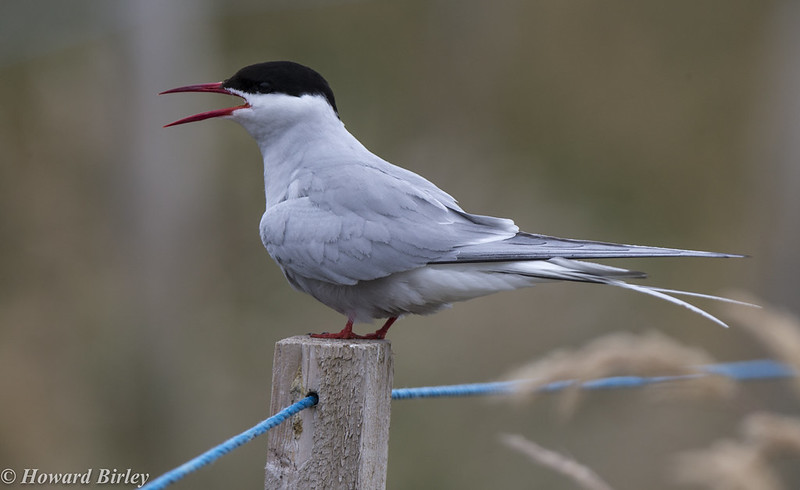
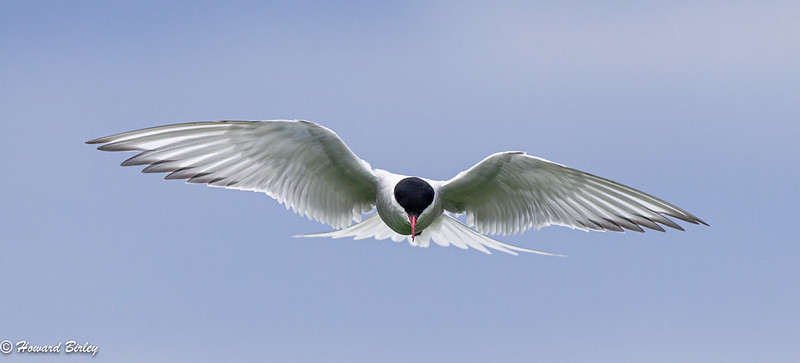
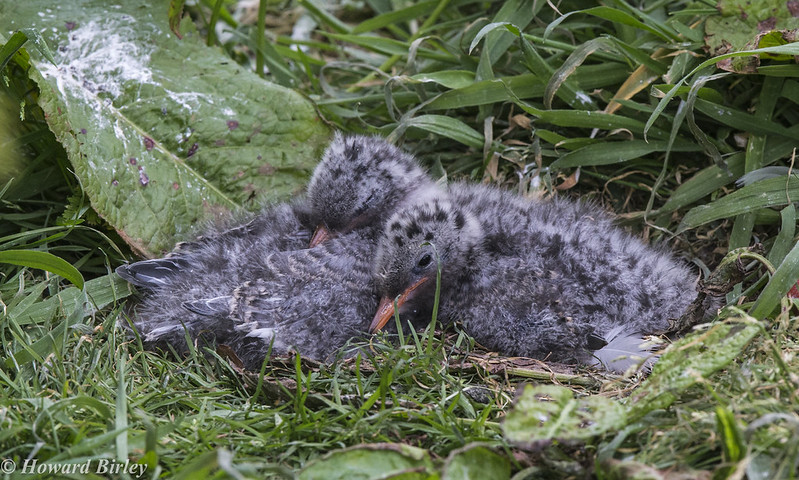
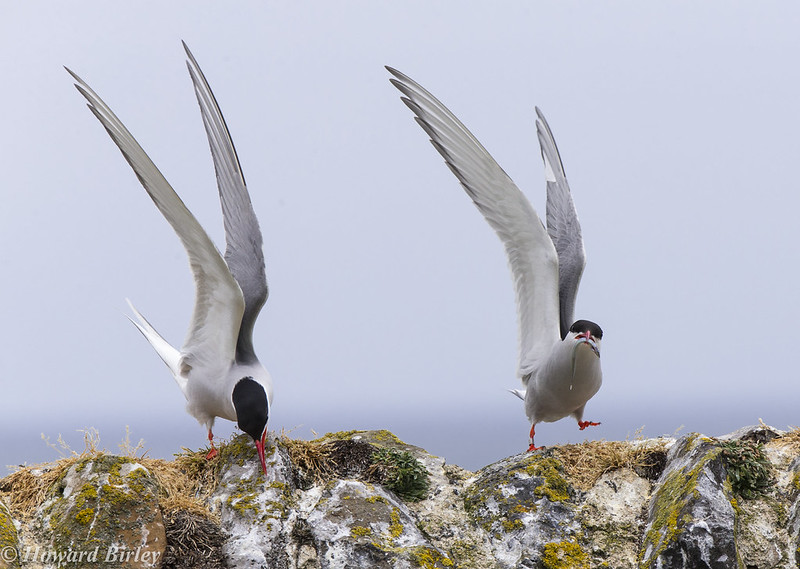
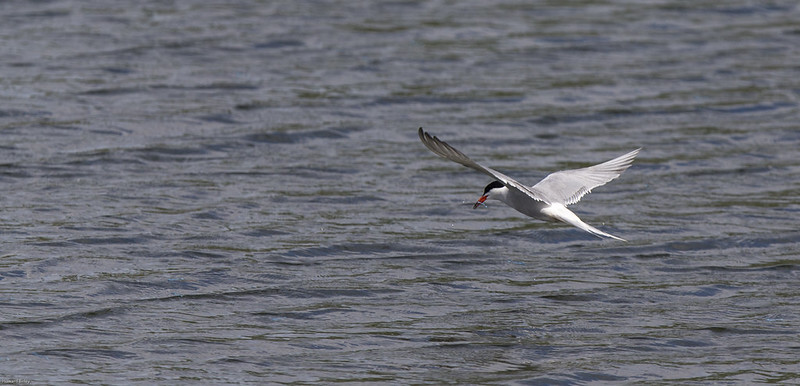
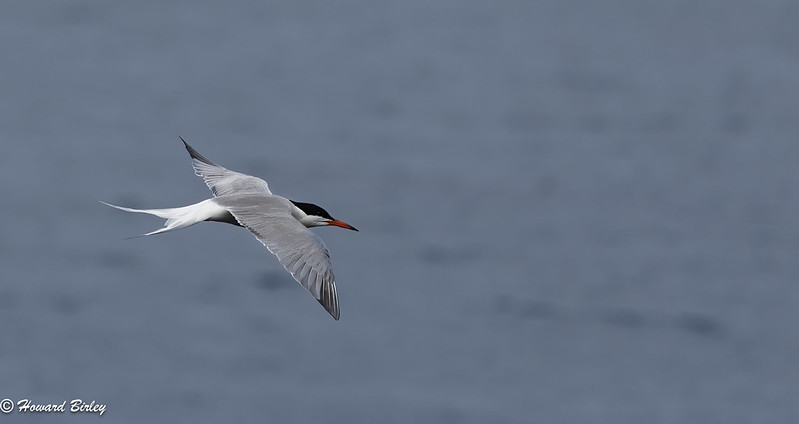
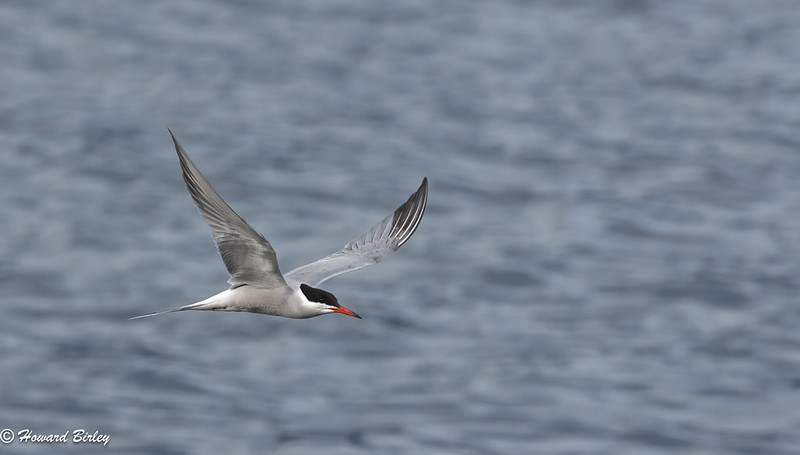
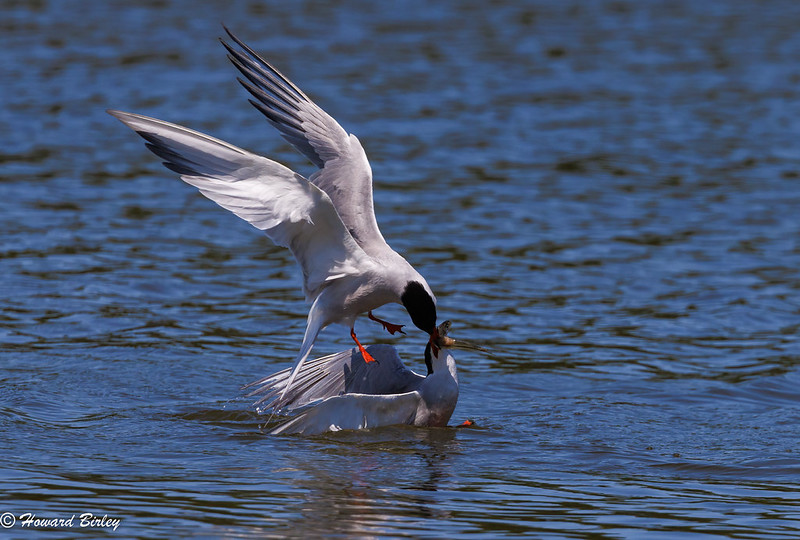
Terns have a worldwide distribution and are normally found near the sea, rivers and wetlands. They are slender, lightly built birds with long, forked tails, narrow wings, long bills, and relatively short legs. Most species are pale grey above and white below with a contrasting black cap to the head. The sexes are identical in appearance, but young birds are readily distinguishable from adults. Terns have a non-breeding plumage, which usually involves a white forehead and much-reduced black cap. Terns are long-lived birds and are relatively free from natural predators and parasites; most species are declining in numbers due directly or indirectly to human activities, including habitat loss, pollution, disturbance, and predation by introduce mammals. International agreements provide a measure of protection, but adults and eggs of some species are still used for food in the tropics.