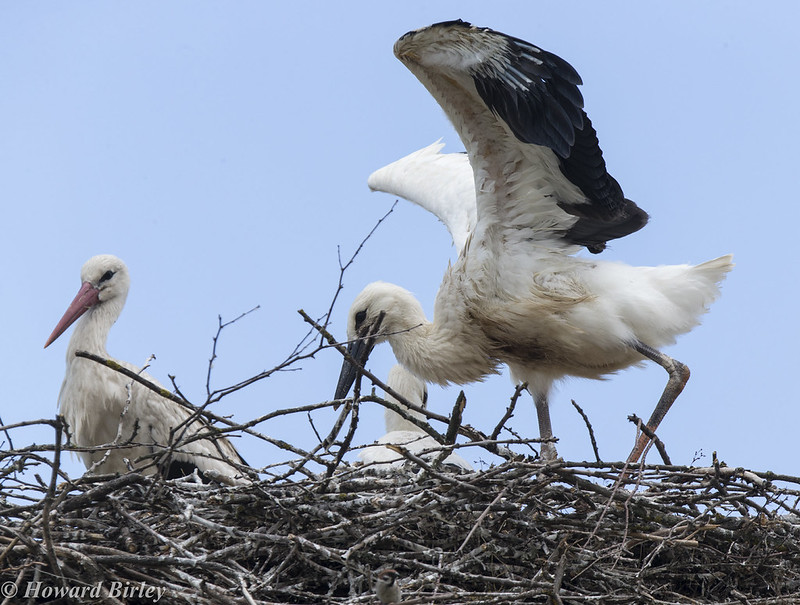
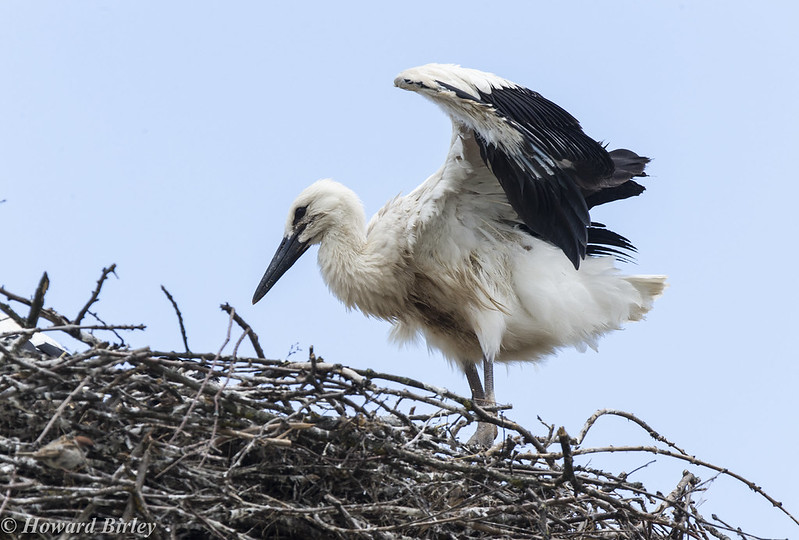
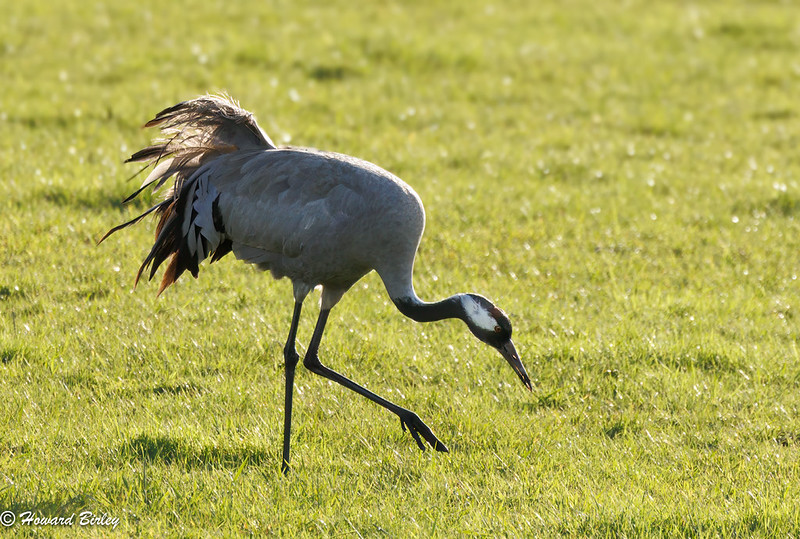
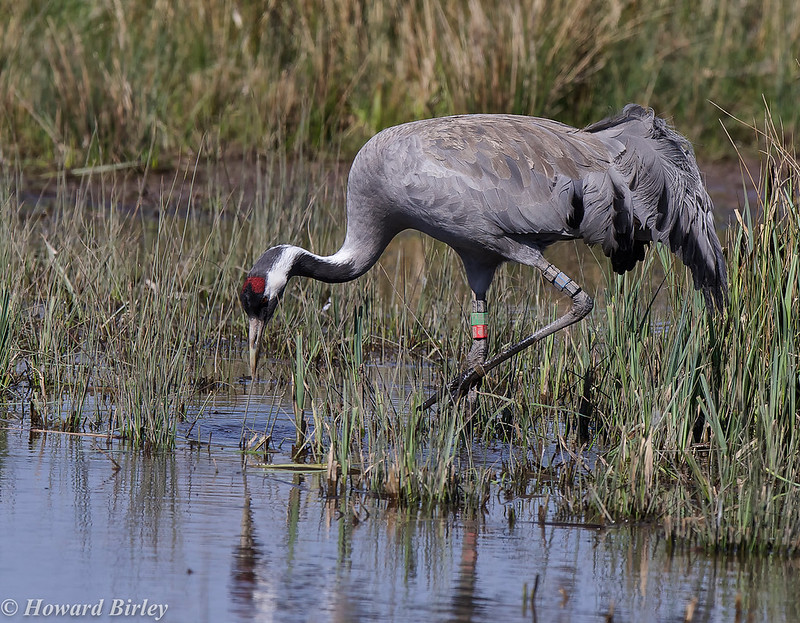
Storks, Ibises and Spoonbills are a group of long-legged wading birds in the family Threskiornithidae that inhabit wetlands, forests and plains. Cranes are a type of large bird with long legs and necks in the biological family Gruidae of the order Gruiformes.
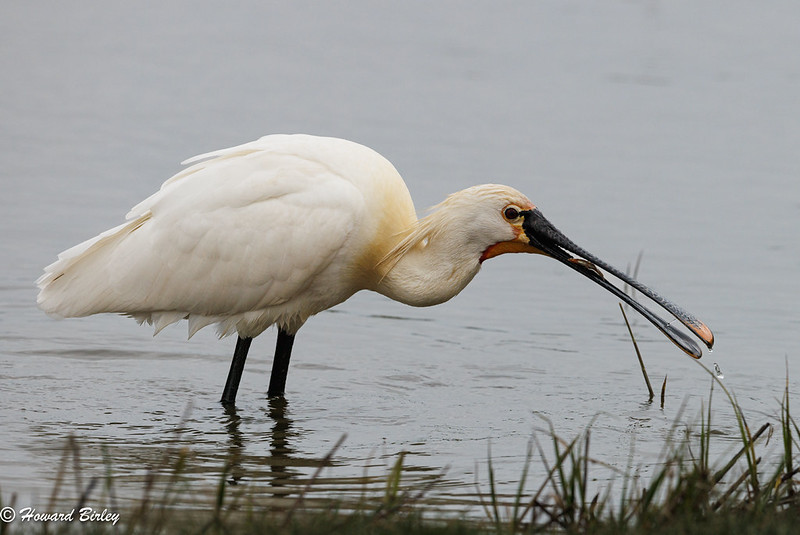
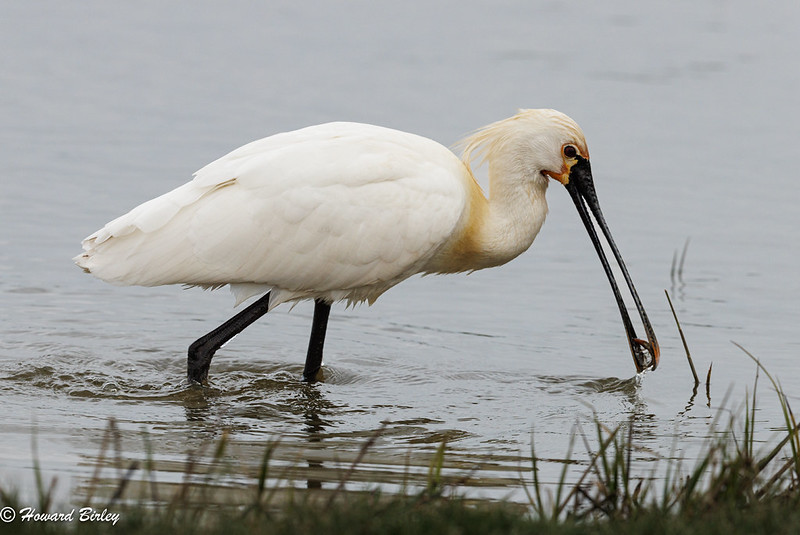
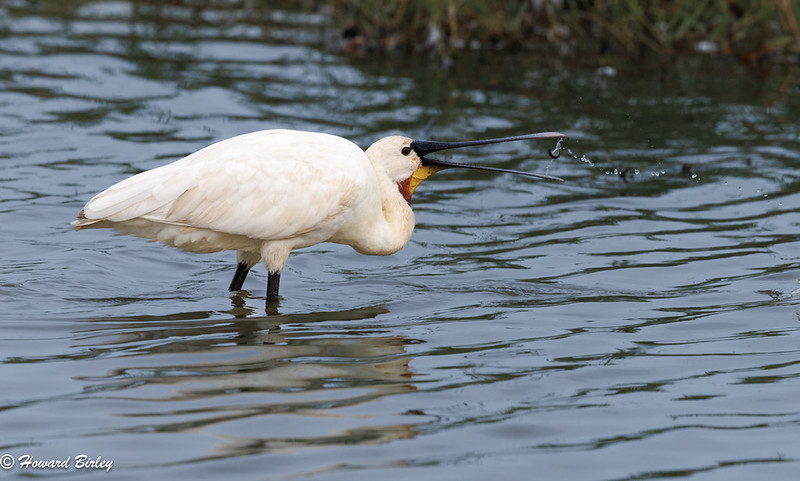
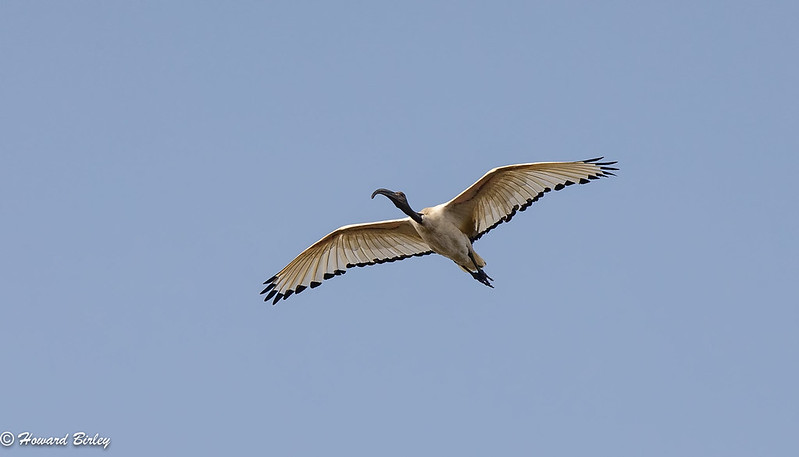
As their long, decurved bills might suggest, Ibises eat many things that they pull out of the mud. Spoonbills, in contrast, glean prey from the water as they sweep their spatulate bills side to side. Despite these morphological and dietary differences, these birds are remarkably similar in most aspects of their biology. They hatch with an undifferentiated bill, and chicks of some have vestigial claws on their wing digits that soon disappear. They fly straight-necked and buoyantly, and many species bear small black or red accents in their wings that make them appear especially graceful. Some ibises have shifted to a mostly terrestrial existence away from water, nesting on cliffs rather than in trees and shrubs on protected islands.Spoonbills are a genus, Platalea, of large, long-legged wading birds.
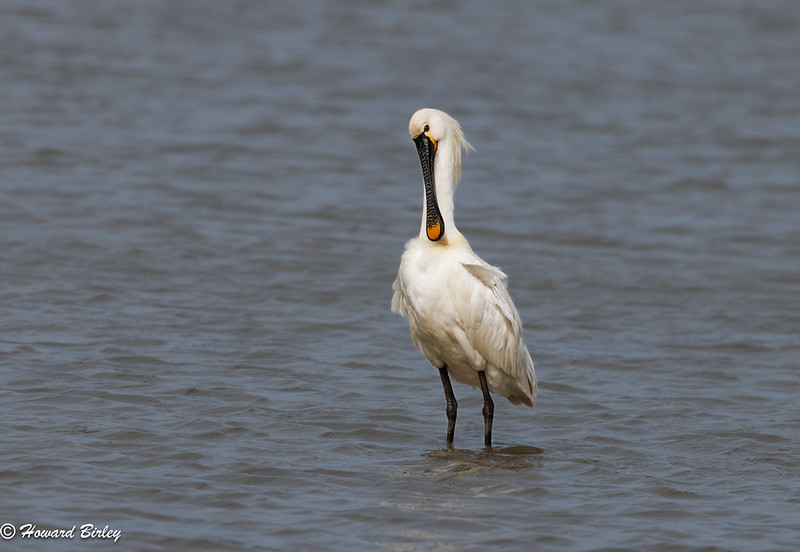
The Spoonbills have a global distribution, being found on every continent except Antarctica. The genus name Platalea derives from Ancient Greek and means “broad”, referring to the distinctive shape of the bill.
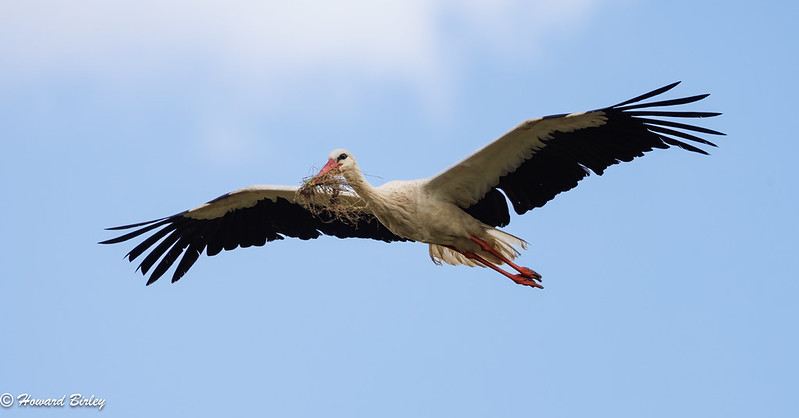
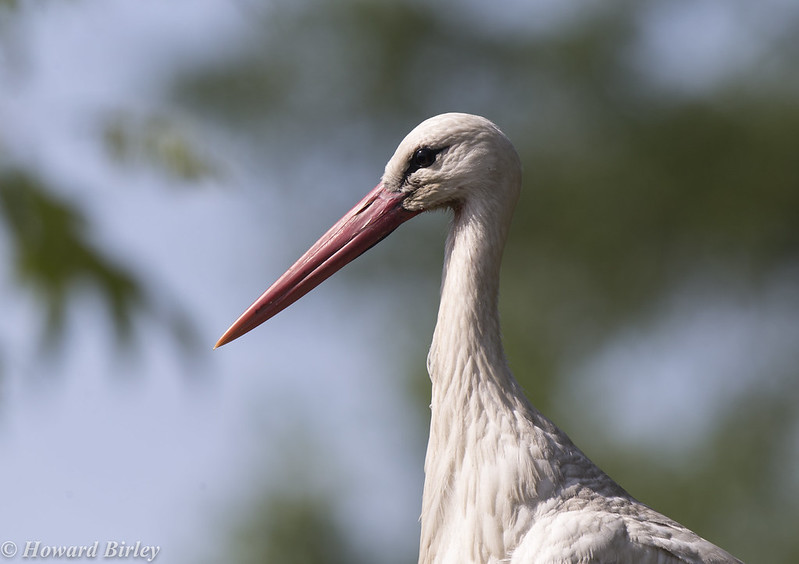
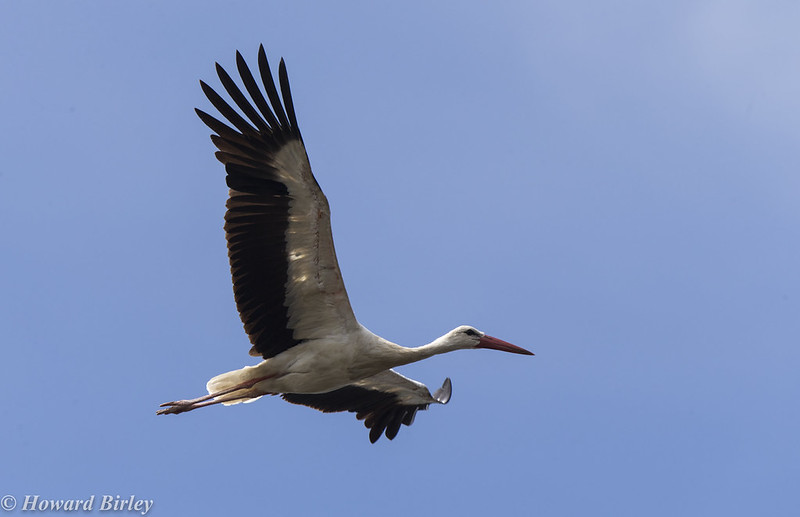
Storks are large, long-legged, long-necked wading birds with long, stout bills.They belong to the family Ciconiidae, and make up the order Ciconiiformes. The Storks (Ciconiidae) and Ibises (Threskiornithidae) are long-legged wading birds, who have many cultural associations to peoples throughout the world. The Sacred Ibis was worshipped by Egyptians (associated with the scribe-god Thoth) and White Storks were welcome harbingers of spring in Europe, which perhaps lead to their association with the arrival of babies. Storks tend to be larger, standing about 3 foot tall, with long, straight bills and elaborate courtship displays. Ibises are generally smaller with down-curved bills (the Spoonbills, as their name implies, are the exception).
Most Cranes have muted gray or white plumages, marked with black, and red bare patches on the face, but the Crowned Cranes of the genus Balearica have vibrantly-coloured wings and golden “crowns” of feathers. Cranes fly with their necks extended outwards instead of bent into an S-shape and their long legs outstretched. Cranes live on most continents, with the exception of Antartica and South America. Some species and populations of Cranes migrate over long distances; others do not migrate at all. Cranes are solitary during the breeding season, occurring in pairs, but during the non-breeding season, most species are gregarious, forming large flocks where their numbers are sufficient.